The Bluetti AC180 is a mid-small portable power station built around a lithium iron phosphate (LiFePO4) battery. It is meant for people who want more than a camping-sized unit but don't need a whole-home system. This guide covers what it can run, where it falls short, and how to decide. Specs below are the commonly published figures. Confirm current specs, bundles and pricing on the official Bluetti site before buying, since models and revisions change.
AC180 at a glance
- Battery: about 1,152 Wh, LiFePO4 chemistry.
- AC output: rated around 1,800 W, with a higher surge rating and a "power lift" mode for some resistive loads.
- Solar input: published at up to roughly 500 W.
- Charging: wall charging is fast for its class, and the unit can also charge from solar or a car port.
- Ports: several AC outlets, USB-C, USB-A, 12V car/DC outputs and a wireless charging pad.
- Weight: in the mid-30s of pounds, so it is portable but not light.
What 1,152 Wh actually runs
Capacity is only half the story. Conversion losses mean you should plan on roughly 80–90% of the rated watt-hours reaching your devices. A quick estimate is usable Wh ÷ device watts = hours.
- Phones, tablets, router, LED lights: days of use for a small group.
- Laptop and monitor (around 100 W combined): roughly nine to ten hours.
- Full-size fridge: it cycles on and off, so check its label or measure with a plug-in watt meter. It can often bridge a short outage, but not several days. See our Bluetti fridge power review for more detail.
- Coffee maker, kettle, toaster: these can fit within the output rating, but they drain the battery quickly. Expect minutes of use, not hours.
- Space heaters, electric ovens, dryers: poorly suited. They either exceed the output or empty the battery fast.
Where the AC180 fits well
Short outages
For a few hours without power, it can keep connectivity, lights, a laptop and perhaps a fridge going. It also has UPS-style switchover behavior, which is useful for a desktop or router. Check the official spec for the switchover time before relying on it for sensitive equipment.
Vehicle and RV-style trips
The 12V outputs and solar input suit weekend trips, van setups and tailgating. If you plan to run solar, match your panels' voltage and current to the input limits in the manual. Don't just match the wattage.
Work tools
Many corded tools fit within the output rating. Check each tool's startup (surge) draw, since motors can pull far more briefly than their running wattage. Related reading: do Bluetti power stations output pure sine wave power?
Trade-offs to weigh
- Weight: you can carry it, but you won't want to haul it far or often.
- Capacity vs. output: it can power a 1,500 W load, but the battery will last well under an hour. High output does not mean long runtime.
- Not expandable like larger systems: if you expect to grow into home backup, modular systems such as the Bluetti Apex 300 or the Handsfree smart-home setup are built for that.
- Weather: don't assume it is waterproof. Read are Bluetti power stations waterproof? and keep it dry and ventilated.
- Safety-critical loads: for medical equipment, ask the device maker or your clinician about backup power. Don't rely on a consumer power station as the only source for life-supporting equipment.
 Recommended for youBluetti Apex 300 Review: Specs, Real-World Performance and Who It Suits
AC180 vs. other Bluetti options
| Model | Best for | Main limit |
|---|---|---|
| AC180 | Outages, travel and work loads that need real AC output in a manageable size | Runtime is limited for high-draw appliances |
| EB3A | Light camping, electronics and very portable use | Small capacity, so it is not meant for appliances |
| AC70 | Buyers comparing a similar-class unit | Check the specs side by side against your loads |
| Elite 200 V2 | Home-leaning backup in a similar size class | Compare weight, outputs and price |
| Elite 300 | Longer runtime at home | Larger and heavier, so confirm current specs |
How to decide: a quick checklist
- List your must-run devices and note each one's running watts. Use the label or a plug-in watt meter.
- Add the watts of everything you'd run at once. Compare the total with the output rating, leaving headroom for startup surges.
- Estimate hours: multiply each device's watts by hours of use, add them up, and compare with roughly 85% of 1,152 Wh.
- Decide on recharging: wall power is fine for short outages, but long ones need solar. Check your panel specs against the input limits.
- Check support terms in our Bluetti warranty and customer service guide, and confirm the current warranty on the official site.
Reliability and what owners report
Any brand has satisfied and dissatisfied buyers. For a balanced view, read Bluetti reviews, reliability and trust and what owners report on Reddit, Consumer Reports and Trustpilot. Treat individual posts as anecdotes. Look for patterns, such as repeated complaints about the same issue.
Verdict
The AC180 is a sensible choice if your needs are modest. That means short outages, work or travel power, and loads under its output rating that fit within roughly a kilowatt-hour. It is a poor fit if you want to run heating or cooking appliances for long stretches, or to power a whole home. In that case, look at larger or expandable systems. Before you buy, check current pricing, included accessories, return window and warranty terms on the official Bluetti site.
Keep reading
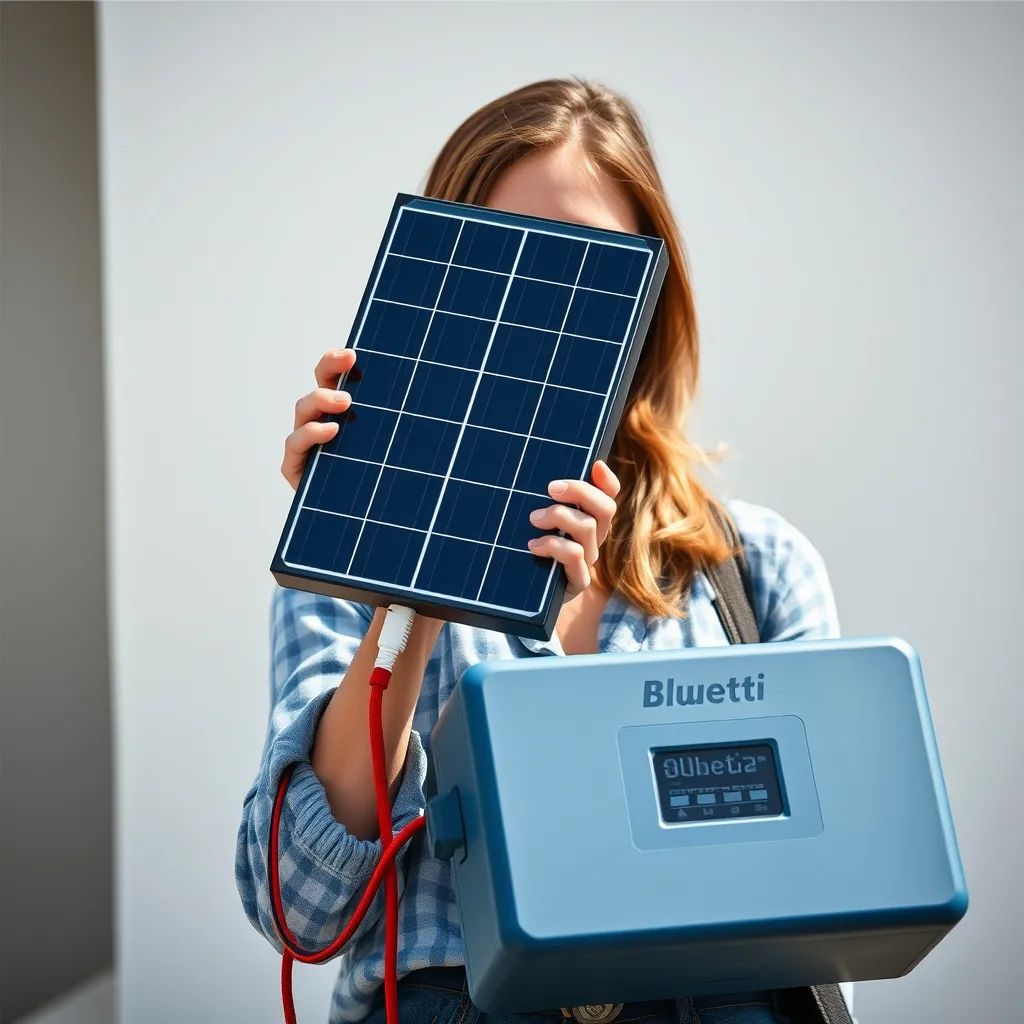 Bluetti Elite 300 Review: Strengths, Drawbacks and VerdictQuick take The Elite 300 sits in Bluetti's Elite range, which is aimed at home backup and heavier p…
 Bluetti Fridge Power Review: Does It Really Keep a Fridge Running in a Blackout?Short answer: a Bluetti power station can keep a typical fridge running through a blackout, but onl…
 Bluetti Complaints and Reviews on Reddit, Consumer Reports and Trustpilot: What Owners Actually ReportShort version Reviews of Bluetti on Reddit, Consumer Reports and Trustpilot are most useful for spo…