Start with what you need to keep running, not the model name
The best Bluetti for home backup depends on your list of must-run devices and how many hours or days you want to cover. A small unit can cover phones, a router and lights through a short outage. Keeping a fridge going overnight, or powering medical equipment, takes more planning. This guide walks through sizing in four steps. For a model-by-model view, see Best Bluetti Power Station: Which Model to Buy by Budget and Use.
Step 1: List your essentials
Write down what would hurt most to lose. Most households land on a short list:
- Phones, tablets and a laptop
- Wi-Fi router and modem
- A few LED lights
- Refrigerator and possibly a freezer
- A CPAP or other medical device
- A sump pump or well pump
- Fans or, in some cases, heating
Be honest about what is a need and what is a convenience. Every extra item adds to the capacity you have to buy.
Step 2: Find each device's watts and hours
Two numbers matter:
- Watts (W) is how much power a device draws at once. Your power station's inverter has to handle the combined total of everything running at the same time.
- Watt-hours (Wh) is how much energy you use over time. This is what battery capacity is measured in.
Check the label on each appliance, or use a plug-in watt meter for a real reading. Motor-driven appliances such as refrigerators, pumps and compressors briefly draw more when they start than when they run. Check the surge rating of any model you're considering on the official Bluetti site.
The basic math
- Multiply each device's watts by the hours you expect to run it. That gives watt-hours.
- Add them up for your total energy need.
- Add a buffer. You lose some energy to inverter conversion, so don't plan to use 100% of the rated capacity. Many people leave a margin of 20% or more.
Example with placeholder numbers: a router at 15 W for 12 hours is about 180 Wh. Three LED bulbs at 8 W each for 5 hours is about 120 Wh. A laptop at 60 W for 4 hours is about 240 Wh. That is roughly 540 Wh before the buffer. Swap in your own measured numbers.
Step 3: Match the load to a size tier
This table is a planning guide, not a product spec sheet. Confirm current capacities, outputs and prices for specific models on the official Bluetti site.
| What you want to cover | What to look for | Main trade-off |
|---|---|---|
| Phones, router, lights, laptop for a few hours | A compact, portable unit | Limited runtime; not suited to heavy appliances |
| The above plus a fridge or CPAP overnight | Mid-range capacity with a solid inverter | Heavier and costs more; a fridge uses a lot over 24 hours |
| Multi-day coverage, pumps, several appliances | Large capacity, higher output, expansion options | Cost, weight and the need for recharging (solar or grid) between outages |
| Heating or air conditioning | Often impractical on a single portable unit | These loads drain batteries fast |
 Recommended for youBest Bluetti for RVs and Van Life: Picking Capacity, Charging and Expansion
Common home-backup questions
Refrigerators
Fridges cycle on and off, so their daily energy use is lower than their running watts suggest, but the startup surge still matters. Our guide on how big a Bluetti you need to keep a fridge running during a blackout covers this in more detail. Keeping the door closed saves a lot of energy.
CPAP and medical devices
CPAP machines are usually low-draw, but humidifiers and heated hoses raise consumption considerably. See which Bluetti is best for running a CPAP machine. If a device is life-sustaining, such as an oxygen concentrator or ventilator, don't rely on a portable power station alone. Talk to your doctor and the device supplier about backup requirements, and ask your utility whether it keeps a medical-priority list.
Sump and well pumps
Pumps often have high startup surges, and a failed sump pump can mean flooding. Check the pump's startup and running ratings against the power station's surge capability. Read whether a Bluetti can run a well pump or sump pump before buying. Some pumps are hardwired, which means the connection should be handled by a licensed electrician.
Heaters and air conditioners
Resistance heaters draw a lot of power continuously, so they empty a battery quickly. See whether a Bluetti can run a space heater. For cooling, the RV air conditioner page explains the same constraints: can a Bluetti run an RV air conditioner?
Step 4: Plan how you'll recharge
Capacity only buys you time. For outages longer than a day, think about recharging:
- Grid power is fastest once it returns, so top the unit up before storms.
- Solar panels can extend runtime, but output depends on weather, season and panel placement. Check supported input ranges on the official site before buying panels.
- Car charging is slower but can help in a pinch.
Keep the unit charged and test it before an emergency. Batteries stored for long periods should be topped up periodically, following the manufacturer's storage guidance.
Safety basics
- Plug devices directly into the power station or use heavy-duty extension cords rated for the load.
- Never connect a power station to your home wiring through an improvised cable. Whole-home connections need proper equipment installed by a licensed electrician and may require permits.
- Keep units dry, ventilated and away from heat sources.
- A power station has no exhaust fumes, so it is generally fine indoors, unlike a gas generator. Still follow the manual's guidance on placement.
If quiet operation matters to you, see how to power essentials quietly without a gas generator.
Honest limits
- A portable power station is not a whole-house generator. It suits selected circuits and devices.
- Heavy loads such as electric heating, ovens, dryers and central air are usually out of reach for a single portable unit.
- More capacity means more weight and cost. Buying for your actual essentials is usually smarter than buying the biggest unit.
Related use cases
If your needs overlap with other situations, these guides may help: keeping a home office online, off-grid cabins, RVs and van life and camping. For a broader decision framework, read Choosing the Right Bluetti for Your Situation.
Once you have your watt and watt-hour totals, compare them against the models on the Bluetti comparison page, then confirm current specs, pricing and availability on the official Bluetti site before you buy.
Keep reading
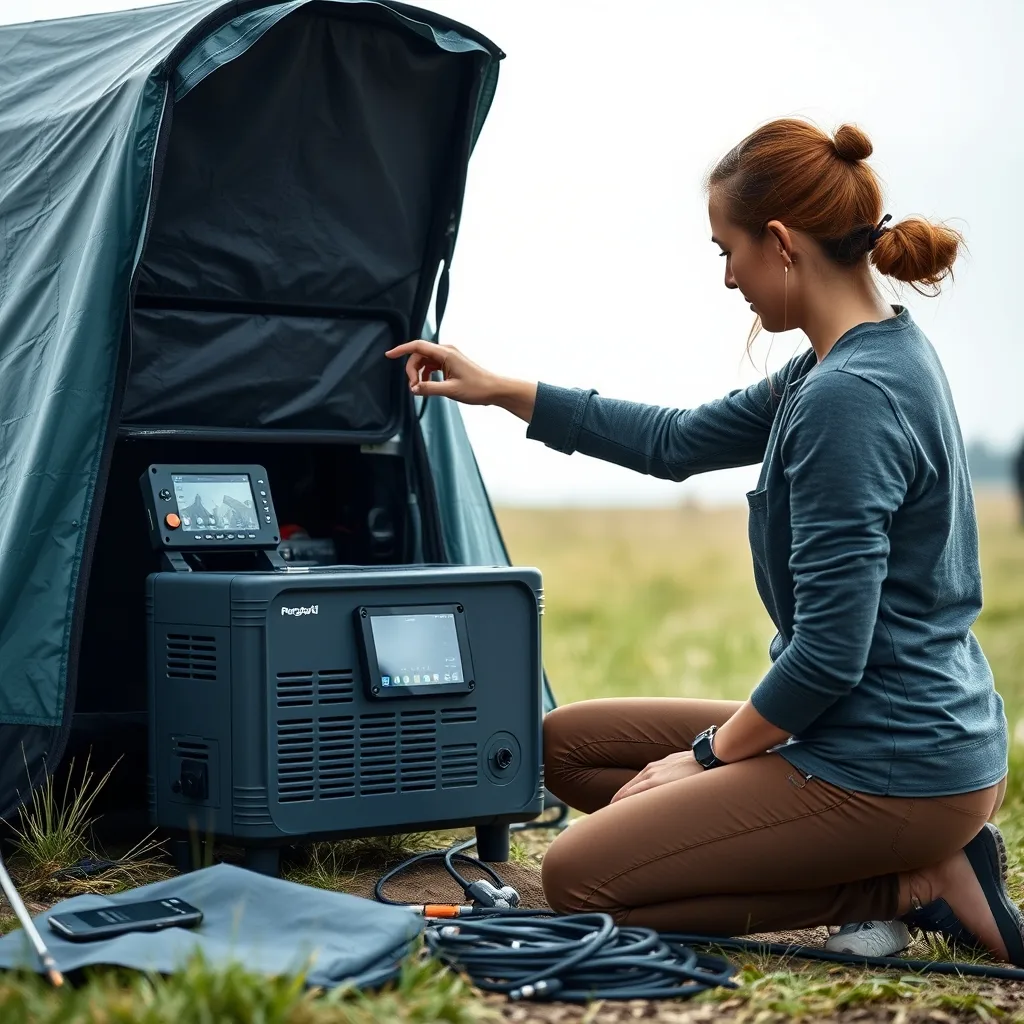 Best Bluetti for Camping, Car Camping and OverlandingStart with what you actually need to run The best Bluetti for camping is the one sized to your load…
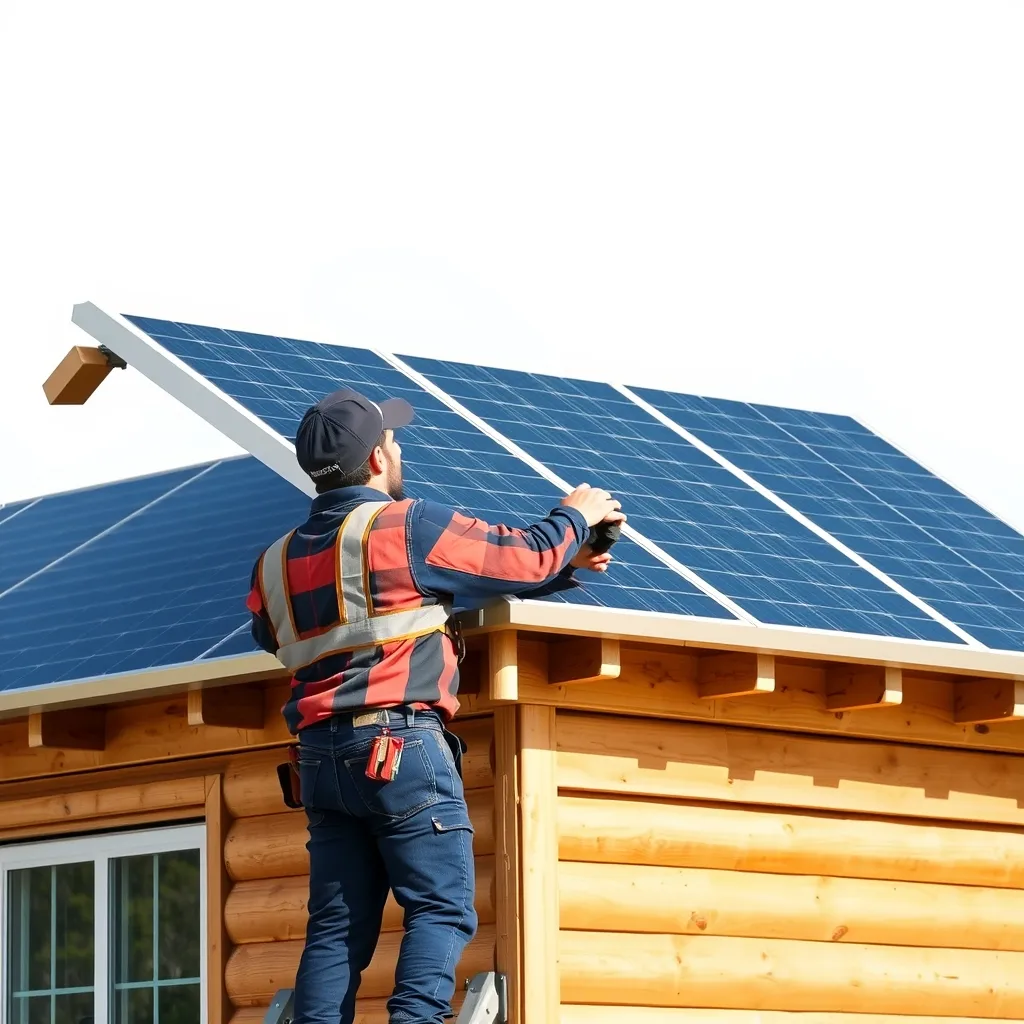 Best Bluetti for Off-Grid Cabins: Solar, Batteries and Appliance PlanningAn off-grid cabin asks more of a power station than a camping trip or a short outage does. You are…
 Best Bluetti for Remote Work: Keeping a Home Office or Mobile Workspace OnlineRemote work needs less power than most people expect, but it needs that power to be steady. A lapto…