An off-grid cabin asks more of a power station than a camping trip or a short outage does. You are not covering a gap, you are building a daily energy system. That makes planning matter more than picking a model name. This guide walks through how to size the setup, where Bluetti units fit, and where they fall short.
Start With What a Power Station Can and Can't Do
A portable power station combines a battery, an inverter and solar charging in one box. For a small or seasonal cabin with modest loads, that can be a clean, quiet, low-maintenance solution. For a full-time cabin with electric heat, a large well pump and a workshop, it usually can't carry the whole load alone. Those cabins tend to need a purpose-built battery bank and inverter designed by an installer.
If you are still deciding whether Bluetti is the right category at all, read Choosing the Right Bluetti for Your Situation first.
Step 1: List Your Loads
Write down every device you want to run, its running watts (on the label or in the manual), and the hours per day it runs. Note any motor-driven items, because they draw a short surge well above their running figure.
| Load | Typical running watts | Planning note |
|---|---|---|
| LED lighting (per bulb) | 5–15 W | Cheap to run; add up the total |
| Laptop and router | 10–90 W | Routers run 24 hours, so they add up |
| Efficient refrigerator | 80–200 W while running | Cycles on and off; has a startup surge |
| CPAP machine | 30–60 W | Heated humidifiers raise this a lot |
| Well or sump pump | 500–1,500 W | High surge; check the pump's label |
| Microwave or kettle | 1,000–1,500 W | Short runs, high output |
| Electric space heater | Up to 1,500 W | Continuous; usually the hardest load |
These are general ranges, not specifications for any product. Always use the numbers on your own appliances.
Step 2: Turn Loads Into Daily Watt-Hours
Multiply watts by hours of use for each device, then add them up. Because a fridge cycles, estimate its real daily use from its label or a plug-in energy meter rather than assuming it runs nonstop.
Illustrative example only: lights at 100 Wh, fridge at 500 Wh, device charging and laptop at 200 Wh, a router at 240 Wh and a small water pump at 100 Wh come to about 1,140 Wh per day. Add roughly 20–25% for conversion losses and you are near 1,400 Wh per day. Your numbers will differ.
Step 3: Check Output and Surge, Not Just Capacity
Capacity (watt-hours) tells you how long you can run. The inverter rating (watts) tells you what you can run at once. Add up everything that might be on at the same moment, then leave headroom for surges. A large battery with a small inverter will still trip off when a pump starts.
Two specific questions come up often for cabins:
- Can a Bluetti run a well pump or sump pump during a power outage? Surge and voltage requirements decide this.
- Can a Bluetti run a space heater or electric heater? Usually not for long, because continuous heating drains batteries fast.
 Recommended for youBest Bluetti for Home Backup: Sizing a Setup for Power Outages and Emergency Prep
Step 4: Size the Solar Honestly
Divide your daily watt-hours (with losses) by the realistic peak sun hours for your location in the worst season you will use the cabin. Winter may give you only two or three hours, and shade, snow cover and panel angle reduce that further.
Using the example above, 1,400 Wh divided by 3 sun hours is about 470 W of panels, and in practice you would want a margin beyond that. Check each unit's maximum solar input on the official Bluetti site, because it limits how much panel power it can accept. Panels beyond that limit add nothing.
Plan for Cloudy Stretches
Solar alone can fail you after several gray days. Decide on a backup: extra battery capacity, charging from a vehicle or the grid when you are in town, or a small generator for emergencies. For a quiet approach to the same problem, see how to power essentials quietly without a gas generator.
Step 5: Match the Setup to the Cabin Type
Weekend or Seasonal Cabin
A mid-size power station with a few panels often covers lights, charging, a router and a small fridge. You can recharge fully between visits, so you need less solar than for daily living.
Full-Time Small Cabin
You will likely need expandable battery capacity, more panels, and propane or wood for heating and cooking. Treat the power station as the electrical core, not the whole answer. Fridge sizing is covered in how big a Bluetti you need to keep a fridge running.
Cabin With Remote Work or Medical Needs
Prioritize reliability and reserve capacity. If a CPAP or other medical device depends on your power, read which Bluetti is best for CPAP, and talk with your doctor or device supplier about backup requirements. Don't rely on a single power source for anything life-critical. For work setups, see Best Bluetti for Remote Work.
Safety and Installation Limits
- Plugging devices into the station is simple. Connecting it to a cabin's wiring is not, and it needs a proper transfer switch or inlet installed by a licensed electrician, following local code.
- Check the temperature ranges for both operating and charging. Many lithium batteries limit charging in freezing conditions, so an unheated cabin may be a problem.
- Keep units dry, ventilated and away from heat sources, and never use them as a reason to run fuel-burning heaters indoors without a working carbon monoxide alarm.
- Large air conditioners and electric heating are rarely realistic. See whether a Bluetti can run an RV air conditioner for a similar load example.
Related Guides and Next Step
If your cabin doubles as an outage fallback, home backup sizing covers overlapping ground. Portable use cases are in the guides for camping and RVs and van life, which share similar solar logic.
Once you have your daily watt-hours, peak watts and solar target, compare models against those numbers in Best Bluetti Power Station: Which Model to Buy by Budget and Use. Confirm current specifications, expansion options, warranty terms and pricing on the official Bluetti site before you buy, since they change.
Keep reading
 Best Bluetti for RVs and Van Life: Picking Capacity, Charging and ExpansionThe best Bluetti for an RV or van is the one whose capacity, charging inputs and expansion options…
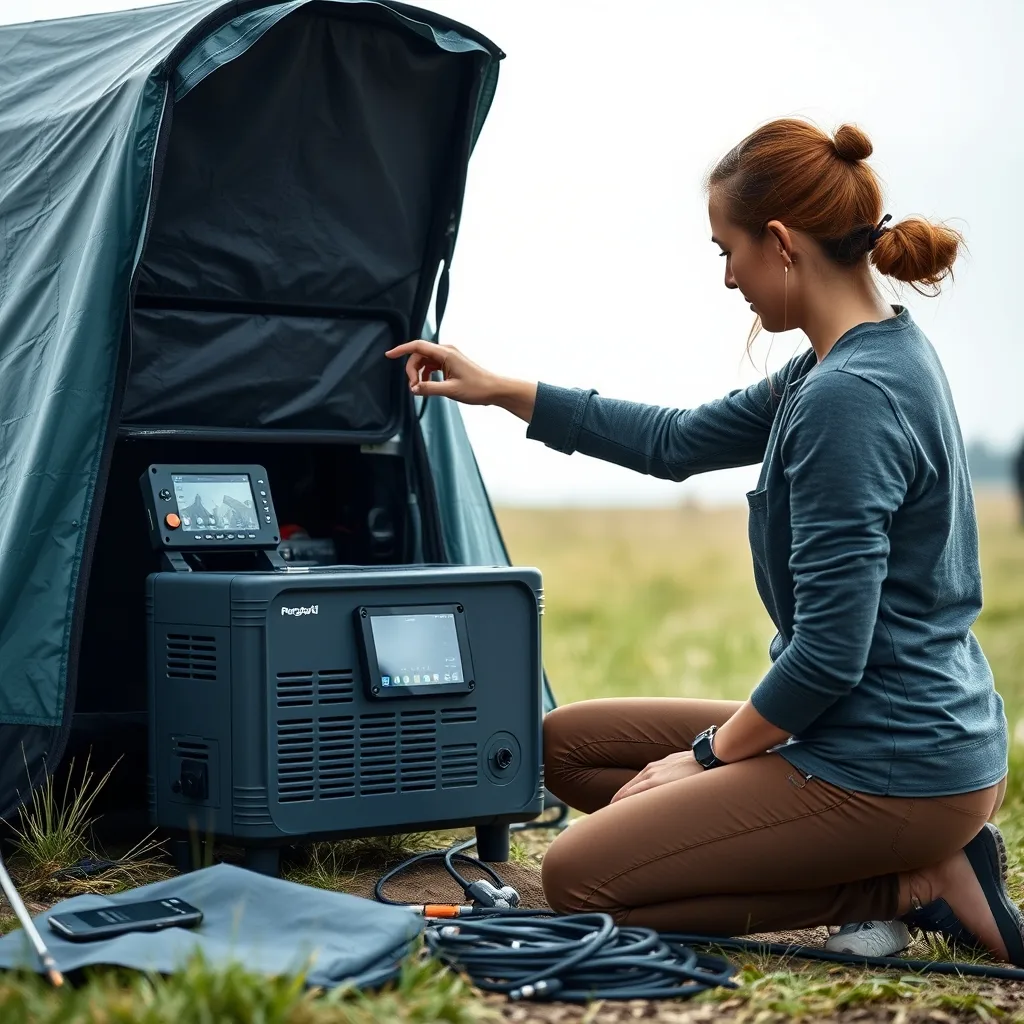 Best Bluetti for Camping, Car Camping and OverlandingStart with what you actually need to run The best Bluetti for camping is the one sized to your load…
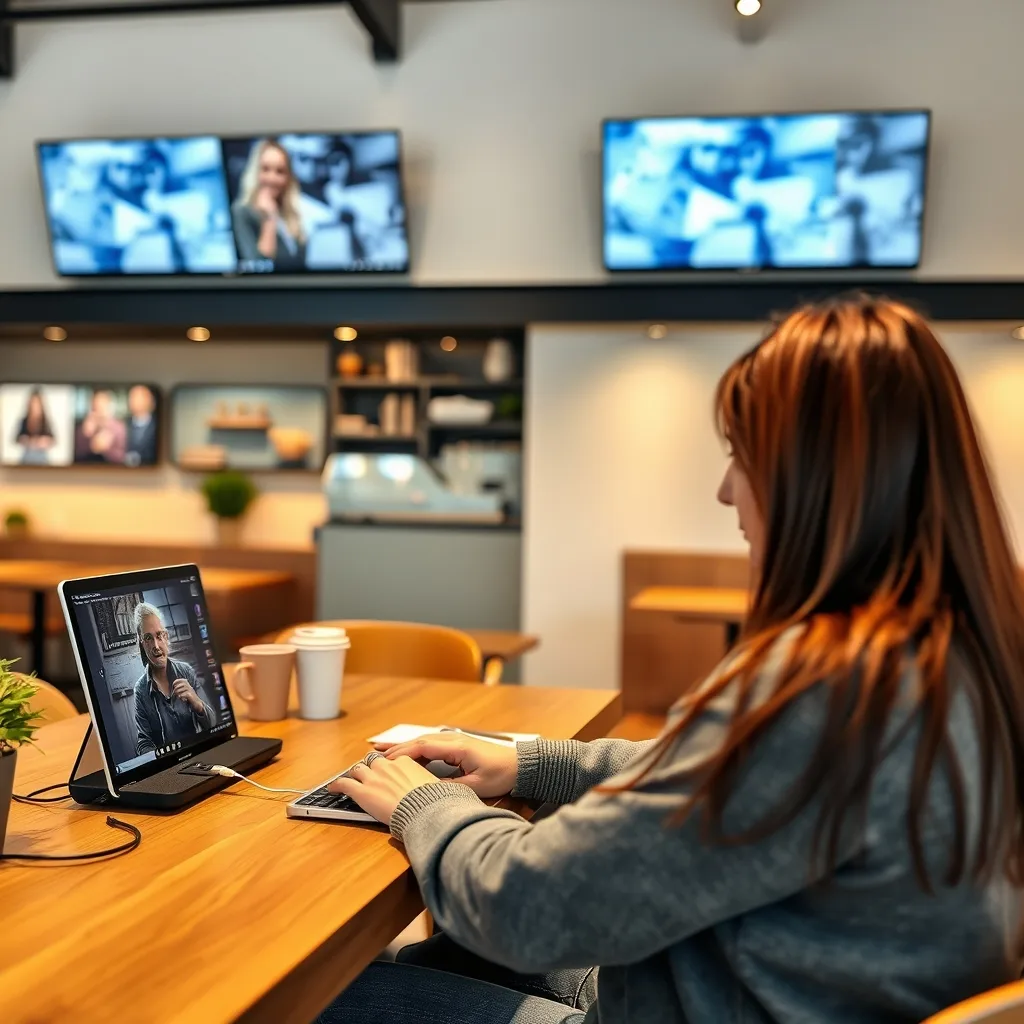 Best Bluetti for Remote Work: Keeping a Home Office or Mobile Workspace OnlineRemote work needs less power than most people expect, but it needs that power to be steady. A lapto…